How to Use a Dehumidifier After Carpet Cleaning: Complete Drying Guide 2026
How to Use a Dehumidifier After Carpet Cleaning: Complete Drying Guide 2026
A dehumidifier after carpet cleaning removes excess moisture from the air, accelerating carpet fiber drying and preventing mold growth. Wet carpets left untreated develop mold within 24-48 hours, creating health hazards and musty odors. This guide covers optimal settings, placement strategies, and when to combine equipment for the fastest results.
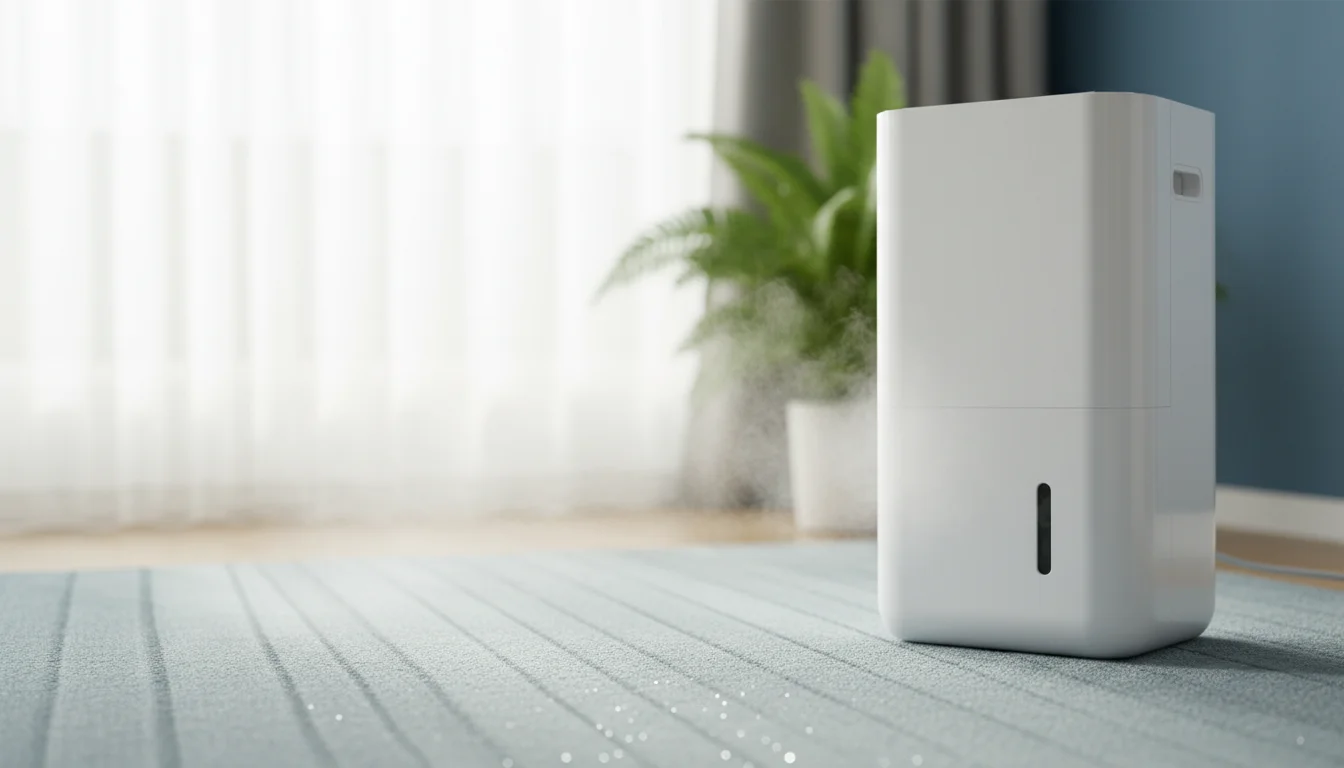
Why You Need a Dehumidifier After Carpet Cleaning
Excess moisture trapped in carpet fibers creates ideal conditions for mold colonization, bacterial growth, and permanent damage to your carpet padding. The window for prevention closes quickly.
Mold spores begin germinating within 24-48 hours when carpet remains damp. Your carpet padding absorbs moisture like a sponge, holding it against the subfloor where you cannot see the damage occurring. By the time you smell that musty odor, the problem has already taken hold.
Key reasons to use a dehumidifier for wet carpet:
- Mold thrives in warm, damp conditions common after carpet cleaning
- Dehumidifiers pull moisture from ambient air, creating evaporation pressure that draws water from carpet fibers
- Prevents carpet pad breakdown that leads to permanent texture damage
- Reduces airborne mold spores that trigger allergies and respiratory issues
- Essential in humid climates or rainy seasons when natural drying stalls
I learned this the hard way after assuming an open window would handle post-cleaning moisture. Three days later, the carpet smelled like a wet basement. CarpetSquare notes that humid weather makes natural drying nearly impossible without mechanical assistance.
Optimal Dehumidifier Settings for Carpet Drying
Set your target humidity between 30-40% for aggressive moisture extraction from carpet fibers. This range creates the differential pressure needed to pull water vapor from your carpet into the air, where the dehumidifier captures it.
Normal indoor humidity hovers around 50-60%. Dropping to 30-40% forces your dehumidifier to work continuously, maximizing moisture removal. This relationship matters because carpets simply will not dry at higher humidity levels—there is no moisture gradient to drive evaporation.
| Setting | Recommended Value | Why It Matters |
|---|---|---|
| Target Humidity | 30-40% | Creates optimal evaporation conditions |
| Fan Speed | Highest available | Moves more air across carpet surface |
| Drainage Mode | Continuous (if available) | Eliminates tank-emptying interruptions |
| Temperature | 18-25°C (65-77°F) | Balances evaporation rate with comfort |
Configuration tips:
- Use a separate hygrometer to verify your dehumidifier's readings
- Check humidity levels every 2-3 hours during active drying
- Adjust the target lower if carpet remains damp after 6 hours
- Empty the water tank before it triggers auto-shutoff
Fair warning: cheap dehumidifiers often have inaccurate humidity sensors. I tested three budget models against a calibrated hygrometer and found readings off by 8-15%. Trust but verify.
Dehumidifier Placement Strategies for Maximum Efficiency
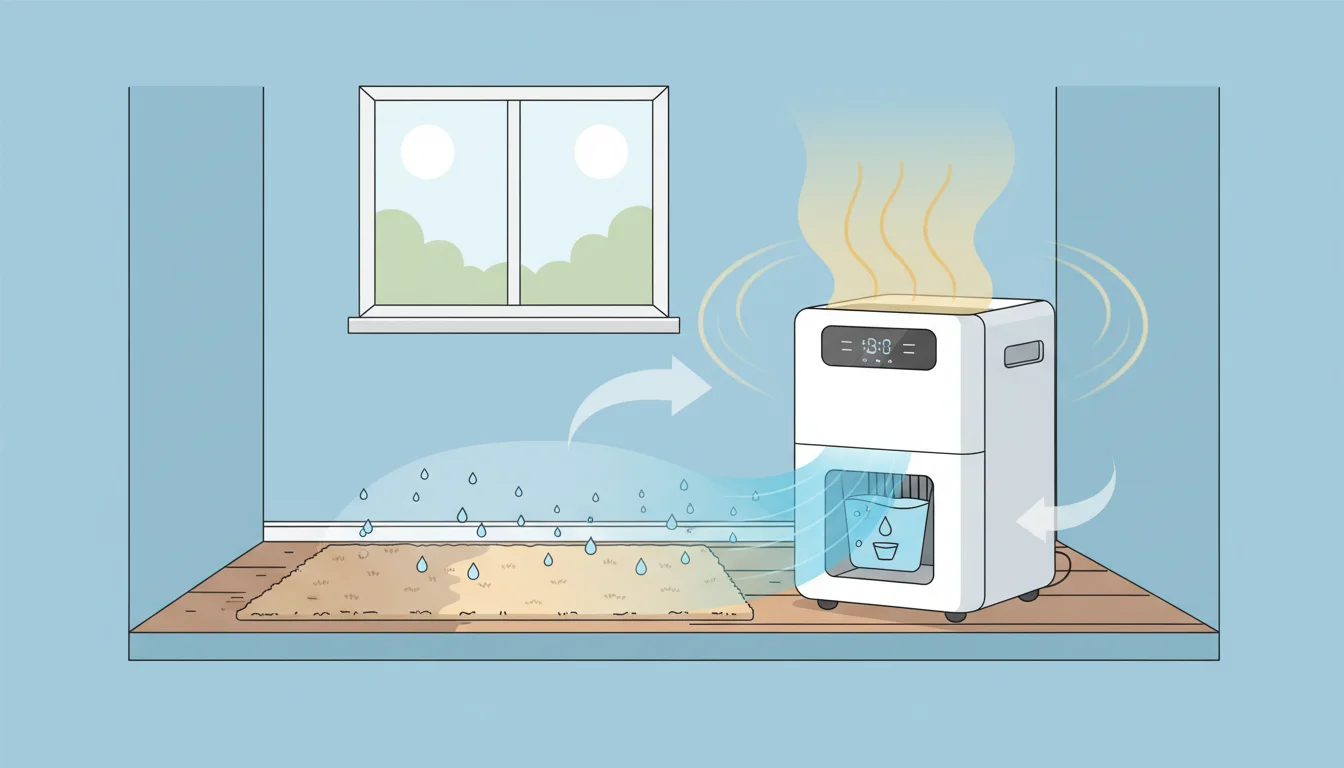
Position the dehumidifier in the center of the wet area with 6-12 inches of clearance from walls and furniture. Central placement allows the unit to draw moist air evenly from all directions rather than working on one section at a time.
Airflow obstruction kills dehumidifier performance. Pushing a unit against a wall blocks intake vents and reduces effectiveness by up to 40%. The dehumidifier needs room to breathe.
Placement checklist:
- Center of room for even moisture extraction across the entire carpet
- Minimum 6 inches from walls, 12 inches preferred
- Close all windows and doors to contain the drying environment
- Direct the air exhaust toward the wettest carpet section
- Keep the unit away from heat sources that skew humidity sensors
For large rooms or severe moisture:
- Use multiple dehumidifiers spaced evenly across the area
- Reposition a single unit every 3-4 hours to cover different zones
- Elevate the dehumidifier on blocks if carpet is heavily saturated
CarpetVive emphasizes that corner placement is a common mistake. The unit works harder but accomplishes less because airflow patterns become uneven.
Combining Dehumidifiers with Fans for Faster Results
Adding fans to your drying setup reduces carpet drying time by up to 50% compared to running a dehumidifier alone. Fans lift moisture from the carpet surface into the air, where the dehumidifier extracts it.
This combination creates a moisture removal cycle. Fans accelerate evaporation from carpet fibers, and the dehumidifier captures that airborne moisture before it settles back into the carpet. Neither tool works as efficiently on its own.
Fan placement strategy:
- Position box fans at floor level, blowing across carpet toward the dehumidifier
- Set ceiling fans on high to promote air mixing throughout the room
- Use oscillating fans to cover wider areas without repositioning
- Run the HVAC system fan on continuous mode for whole-room circulation
- Angle fans to create airflow that travels the length of the wet carpet
What works best in practice:
| Setup | Typical Drying Time | Best For |
|---|---|---|
| Dehumidifier only | 8-12 hours | Light moisture, small rooms |
| Dehumidifier + 1 fan | 5-8 hours | Standard carpet cleaning |
| Dehumidifier + multiple fans | 4-6 hours | Deep cleaning, large areas |
| Dehumidifier + fans + HVAC | 3-5 hours | Fastest possible drying |
Lift carpet edges if accessible. This allows airflow underneath, drying the padding and subfloor simultaneously. [Climate Dry] recommends this technique for preventing the hidden moisture problems that cause odors weeks later.
How Long to Run a Dehumidifier on Wet Carpet
Run the dehumidifier until humidity levels stabilize at 40-50% and the carpet feels dry to the touch, both on the surface and at the padding level. Typical drying time ranges from 4-12 hours for standard cleaning.
The touch test matters more than time estimates. Press your palm firmly into the carpet for 10 seconds. If your hand feels cool or damp, keep running the dehumidifier. Check the carpet backing by lifting a corner near the wall.
Drying timeline expectations:
| Carpet Condition | Expected Drying Time | Check Frequency |
|---|---|---|
| Light cleaning, low pile | 4-6 hours | Every 2 hours |
| Standard cleaning | 6-10 hours | Every 3 hours |
| Deep extraction cleaning | 10-16 hours | Every 4 hours |
| Water damage or flooding | 24-48 hours | Every 6 hours |
Monitoring tips:
- Empty water tanks before they trigger auto-shutoff, or use continuous drainage
- Track the water collection rate to gauge progress
- Humidity dropping below 45% with slowing water collection signals near-complete drying
- Continue running 2-3 hours after the carpet feels dry to address padding moisture
I once stopped the dehumidifier when the surface felt dry. The padding held moisture for another week, developing a smell that required professional treatment. Trust the numbers, not your fingers alone.
Choosing the Right Dehumidifier: Types and Specifications
A 50-pint portable dehumidifier handles most residential carpet drying jobs, covering rooms up to 2,000 square feet. Match capacity to room size for efficient moisture removal without overworking the unit.
Renting makes sense for occasional use. Hardware stores charge $25-50 daily for units that would cost $200-400 to purchase. If you clean carpets twice yearly, renting saves money over a decade.
Capacity guide:
| Room Size | Recommended Capacity | Typical Cost to Buy |
|---|---|---|
| Small (up to 500 sq ft) | 30 pints | $150-200 |
| Medium (500-1,500 sq ft) | 50 pints | $200-300 |
| Large (1,500-2,500 sq ft) | 70 pints | $300-400 |
| Commercial/severe damage | 100+ pints | $500+ or rent |
Features worth paying for:
- Continuous drainage port for unattended operation
- Digital humidity controls with precise settings
- Auto-restart after power outages
- Washable filters for long-term maintenance
- Caster wheels for easy repositioning
Skip the cheapest options. Units under $100 often lack continuous drainage and have weak compressors that struggle in high-moisture conditions. AbeStorm notes that commercial-grade units remove moisture 3-4 times faster than residential models in severe situations.
When to Call Professionals vs DIY Carpet Drying
Handle routine carpet cleaning moisture yourself with a dehumidifier and fans. Call professionals when carpet remains wet after 24 hours, visible mold appears, or water damage involves contaminated sources.
DIY works for predictable situations. Professional cleaning with proper extraction leaves manageable moisture levels, and a spilled bucket or minor leak responds well to home equipment.
Call professionals when:
- Carpet stays wet beyond 24-48 hours despite dehumidifier use
- You detect musty odors indicating mold growth has started
- Water damage involves sewage, flooding, or contaminated water
- Large areas exceed your equipment capacity
- Carpet padding feels saturated after the surface dries
Cost comparison:
| Approach | Typical Cost | Best For |
|---|---|---|
| DIY with owned dehumidifier | $5-15 (electricity) | Routine cleaning |
| DIY with rental equipment | $25-75 | Occasional deep cleaning |
| Professional drying service | $150-500 | Water damage, mold risk |
| Full restoration service | $500-2,000+ | Flooding, contamination |
Professional services bring industrial dehumidifiers that extract 3-4 times more moisture than residential units. They also use moisture meters that detect hidden dampness in padding and subfloors. The investment prevents costly carpet replacement from undetected damage.
FAQ
Will a dehumidifier alone dry wet carpet?
A dehumidifier alone works but takes significantly longer than combining it with fans. Expect 8-12 hours for light moisture and up to 24 hours for deep cleaning. Adding fans cuts this time roughly in half.
What humidity level indicates the carpet is dry?
Your carpet is dry when room humidity stabilizes at 40-50% and stops dropping while the dehumidifier continues running. Confirm by pressing your palm into the carpet for 10 seconds. No coolness or dampness means you are finished.
Should I run the dehumidifier overnight after carpet cleaning?
Running overnight is safe and recommended for thorough drying. Use continuous drainage mode if available, or ensure the tank has capacity for 8+ hours of collection. Set the unit to auto-shutoff at 40% humidity to prevent over-drying.
Can I walk on carpet while the dehumidifier runs?
Limit foot traffic on damp carpet to prevent fiber matting and soil transfer. If you must walk on it, wear clean socks and avoid heavy furniture movement. Wait until the carpet feels dry to resume normal use.
Does opening windows help or hurt carpet drying?
Keep windows closed when running a dehumidifier. Open windows allow humid outdoor air to enter, forcing the dehumidifier to work harder and extending drying time. The exception is dry, low-humidity weather below 30% relative humidity.
How do I know if mold has started growing in my carpet?
Musty odors appearing 24-48 hours after cleaning indicate mold growth. Visible discoloration, worsening allergy symptoms, or persistent dampness after extended dehumidifier use also signal problems requiring professional assessment.
Is it worth buying a dehumidifier for occasional carpet cleaning?
Renting makes more financial sense if you clean carpets once or twice yearly. Consider buying if you live in a humid climate, have allergies, or anticipate regular use. A quality 50-pint unit pays for itself after 6-8 rental periods.
Share this post
Related Articles
Would a Dehumidifier Help With Asthma? What Science Says in 2026
Would a Dehumidifier Help With Asthma? What Science Says in 2026
Best Dehumidifier for RV: Complete Buyer's Guide for 2026
Best Dehumidifier for RV: Complete Buyer's Guide for 2026
Will a Dehumidifier Get Rid of Silverfish? Complete Guide to Humidity-Based Pest Control
Will a Dehumidifier Get Rid of Silverfish? Complete Guide to Humidity-Based Pest Control