Best Dehumidifier for Car: Complete Guide to Moisture Control in 2026
Best Dehumidifier for Car: Complete Guide to Moisture Control in 2026
A dehumidifier for car interiors removes excess moisture that causes fogged windows, musty odors, and mold growth. Research shows humidity levels above 55% accelerate metal corrosion on door hinges, cross bars, and undercarriage components. This guide covers dehumidifier types, optimal placement strategies, and selection criteria for your specific vehicle.
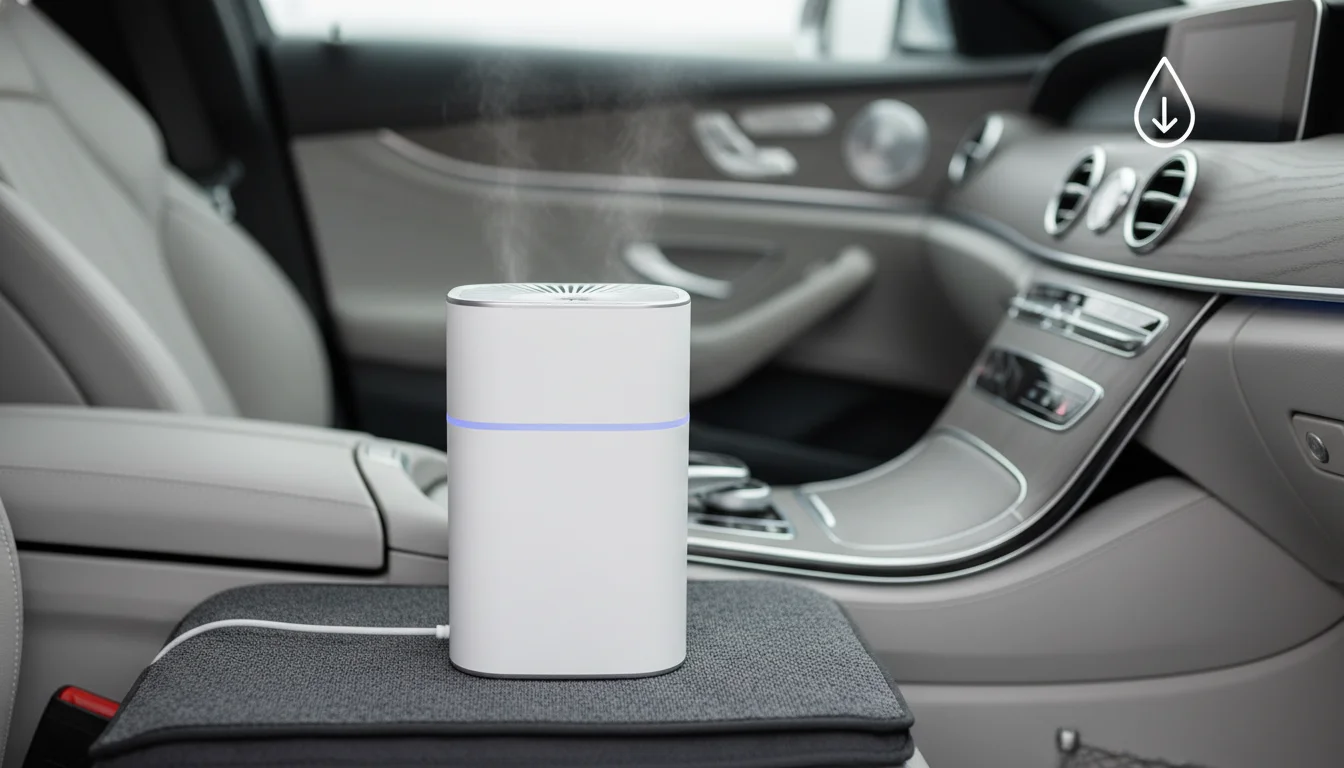
Why Your Car Needs a Dehumidifier
Excess vehicle humidity stems from wet clothing, rain entry, temperature fluctuations, and human breathing inside the cabin. Left unchecked, moisture damages upholstery, promotes mold colonies, and creates persistent odors that reduce your car's resale value.
Common moisture sources:
- Rain and snow tracked in during wet weather
- Temperature differences between interior and exterior air
- Poorly ventilated garages and storage facilities
- Wet shoes, umbrellas, and gym bags
- Breathing and perspiration during commutes
Problems caused by uncontrolled humidity:
- Windshield fogging that reduces visibility
- Mold growth on seats, carpets, and headliners
- Musty smells that permeate fabric surfaces
- Leather cracking and upholstery deterioration
- Electrical component corrosion
Cars in storage face heightened risk. The [Swedish Corrosion Institute] found that nearly all major car components suffer corrosion damage when humidity exceeds safe thresholds. A $15 dehumidifier prevents repairs costing hundreds. Keep in mind that mold remediation in vehicles runs $200 to $1,000 depending on severity.
Types of Car Dehumidifiers: Silica Gel vs Electric
Silica gel units absorb moisture passively without power, while electric models actively remove humidity through cooling technology. Your choice depends on the severity of your moisture problem and whether your vehicle has reliable power access.
| Feature | Silica Gel Pouches | Electric/Peltier Units | Mini Rechargeable Units |
|---|---|---|---|
| Power Required | None | 12V or USB | Rechargeable battery |
| Initial Cost | $15-25 (2-pack) | $30-60 | $25-45 |
| Moisture Capacity | 23-46g per cycle | Continuous removal | 300-500ml before recharge |
| Regeneration | Microwave 6 min or radiator | Automatic | USB charging 8-12 hours |
| Best For | Parked cars, storage | Daily drivers, severe humidity | Regular commuters |
| Indicator System | Color change (blue to pink) | Varies by model | LED status lights |
| Lifespan | Years with proper care | 1-3 years | 1-2 years |
Silica gel dehumidifiers excel in simplicity. One gram of silica absorbs half its weight in water. These pouches work silently in parked vehicles, making them ideal for car dehumidifier for storage situations. The color indicator removes guesswork—when the spot turns pink, pop it in the microwave for six minutes.
Electric car dehumidifiers use Peltier technology to create a cool surface where moisture condenses. They require constant power but handle severe humidity that overwhelms passive options. If you're parking in a coastal garage, silica gel alone won't cut it.
Mini rechargeable units offer a middle ground. They absorb moisture like silica gel but regenerate through a built-in heating element. Plug them into USB overnight and they're ready for another cycle. LED indicators show exactly when they need attention.
Best Placement Locations for Car Dehumidifiers
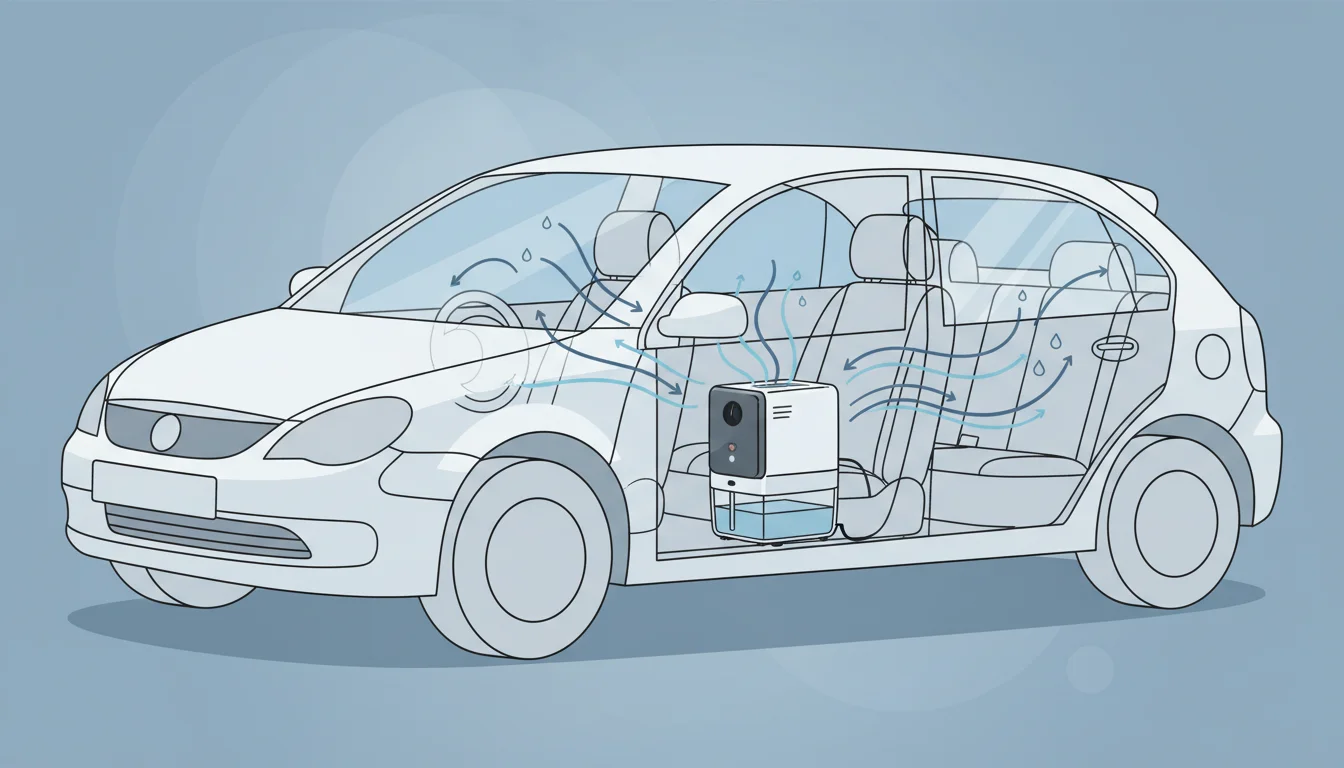
Dashboard positioning near the windshield prevents fog accumulation on glass surfaces where moisture problems are most visible. Under-seat placement maximizes absorption without blocking driver movement or creating safety hazards.
Optimal placement by location:
- Dashboard: Best for windshield fog prevention. Place near the base of the windshield where condensation forms first.
- Under front seats: Hidden from view, protects floor carpets, and allows air circulation around the unit.
- Rear parcel shelf: Effective for sedans; catches moisture rising from the trunk area.
- Trunk: Essential for long-term storage vehicles. Use larger capacity units here.
- Door pockets: Good secondary locations for small silica pouches.
Placement mistakes to avoid:
- Direct sunlight exposure degrades silica gel faster
- Heat vent proximity causes premature saturation
- Blocked airflow reduces absorption efficiency
- Single-point placement in large vehicles leaves dead zones
For SUVs, vans, and RVs, one unit won't cover the space. Use two to three smaller units distributed throughout rather than one large unit in a single location. Many owners discover this after finding mold in their vehicle's third row while the dashboard unit shows bone dry.
Choosing the Right Dehumidifier for Your Vehicle
Vehicle size determines baseline capacity needs. Compact cars require 200-500g absorption capacity, while SUVs and vans need 500g or more spread across multiple units.
Selection factors by vehicle type:
- Compact cars (sedans, coupes): A single 350g silica pouch handles typical moisture
- Mid-size SUVs: Two pouches or one mini rechargeable unit
- Full-size SUVs and vans: Three pouches or an electric unit with 500ml daily capacity
- RVs and campers: Multiple electric units plus silica backup for storage periods
Climate considerations matter. Humid coastal regions and rainy climates demand higher capacity or electric options. Desert climates with dramatic temperature swings need portable car dehumidifier solutions focused on condensation rather than ambient humidity.
Usage patterns affect requirements:
- Daily drivers benefit from rechargeable units that regenerate overnight
- Weekend cars need passive silica that works unattended
- Storage vehicles require the best car dehumidifier setup with maximum capacity
Budget factors into long-term costs. A $20 silica gel pack with $5 refills lasts years. Electric units cost $40-60 upfront plus ongoing power draw. Calculate your break-even point based on how often you'd need to replace disposable options.
Maintenance and Recharging Your Car Dehumidifier
Silica gel requires recharging when the indicator changes color or the pouch feels noticeably heavier. Most units need regeneration every 2-4 weeks depending on humidity levels and vehicle size.
Recharging methods for reusable car dehumidifier units:
- Microwave: 6-8 minutes at medium power. Let cool before handling.
- Conventional oven: 250°F for 2-3 hours. Place on a baking sheet.
- Radiator: Overnight placement during heating season.
- Sunlight: 4-6 hours of direct sun on hot days. This is the least effective method.
Electric unit maintenance schedule:
- Empty the water reservoir when full (check indicator light)
- Clean the air intake filter monthly
- Wipe condensation coils quarterly
- Replace the unit when extraction drops below 50% of rated capacity
The Hagerty testing team found that properly maintained silica gel pouches lasted years across multiple regeneration cycles. Skipping maintenance shortens lifespan dramatically. One tested unit absorbed 46g of water per cycle when new but dropped to under 20g after neglected recharging attempts.
DIY Alternatives and Budget-Friendly Options
Cat litter in a breathable sock creates an effective silica-based dehumidifier at minimal cost. Fill a tube sock with crystal-type litter, tie the end, and place it under your seat.
DIY moisture absorbers ranked by effectiveness:
- Crystal cat litter: Contains silica gel and works nearly as well as commercial products.
- Bamboo charcoal bags: Absorb moisture and odors. Recharge in sunlight.
- Baking soda boxes: Offer limited moisture absorption but excel at odor control.
- Chalk bundles: Provide mild absorption for low-humidity situations.
- Rice in a container: Minimal effectiveness, but better than nothing for emergencies.
When DIY works:
- Mild condensation in moderate climates
- Supplementing a primary dehumidifier
- Testing whether you need humidity control before investing
When to buy proper equipment:
- Visible mold or persistent musty odors
- Daily windshield fogging
- Leather interior worth protecting
- Vehicle stored for extended periods
Combining methods maximizes results and helps prevent car condensation without major expense. Use commercial silica gel on the dashboard plus DIY cat litter under seats. The commercial unit handles the critical windshield zone while the budget option protects carpets.
FAQ
How long do car dehumidifiers last before replacement?
Quality silica gel pouches last 3-5 years with proper recharging cycles. Electric units typically need replacement after 1-3 years when internal components degrade and moisture extraction drops significantly.
Do car dehumidifiers work in freezing temperatures?
Silica gel functions effectively below freezing since it doesn't rely on condensation. Electric Peltier units lose efficiency under 40°F because the temperature differential needed for moisture collection decreases.
How many dehumidifiers do I need for an SUV?
Most SUVs need two to three 350g silica pouches distributed between the front cabin and cargo area. Single units leave rear sections unprotected where moisture accumulates in carpets and storage compartments.
Can I use a home dehumidifier in my car?
Home dehumidifiers require 110V power and produce far more capacity than vehicles need. They're impractical for automotive use. Stick with 12V or USB-powered units designed for enclosed vehicle spaces.
Why does my car smell musty even with a dehumidifier?
Existing mold growth continues producing odors even after humidity drops. You need to clean affected surfaces with antimicrobial solutions first, then use dehumidifiers to prevent regrowth.
Do dehumidifiers help with foggy windows while driving?
Running your AC or heat with fresh air intake clears fog faster while driving. Dehumidifiers work best in parked vehicles. They reduce baseline humidity so fog forms less frequently but won't clear active condensation quickly.
Should I remove the dehumidifier when driving?
Silica gel pouches can stay in place safely during driving. Electric units plugged into 12V outlets work continuously. Remove dashboard-mounted items only if they obstruct your view or could become projectiles during sudden stops.
Share this post
Related Articles
Would a Dehumidifier Help With Asthma? What Science Says in 2026
Would a Dehumidifier Help With Asthma? What Science Says in 2026
Best Dehumidifier for RV: Complete Buyer's Guide for 2026
Best Dehumidifier for RV: Complete Buyer's Guide for 2026
Will a Dehumidifier Get Rid of Silverfish? Complete Guide to Humidity-Based Pest Control
Will a Dehumidifier Get Rid of Silverfish? Complete Guide to Humidity-Based Pest Control