Does a Dehumidifier Help With Dust? The Science Behind Humidity and Dust Control
Does a Dehumidifier Help With Dust? The Science Behind Humidity and Dust Control
Dehumidifiers reduce dust indirectly by killing dust mites, which make up a significant portion of household dust weight. Homes using dehumidifiers show allergen levels up to ten times lower than those without humidity control. This guide covers the science of humidity-based dust control, optimal settings, and how to combine dehumidifiers with other methods for maximum effectiveness.
How Dehumidifiers Actually Affect Dust in Your Home
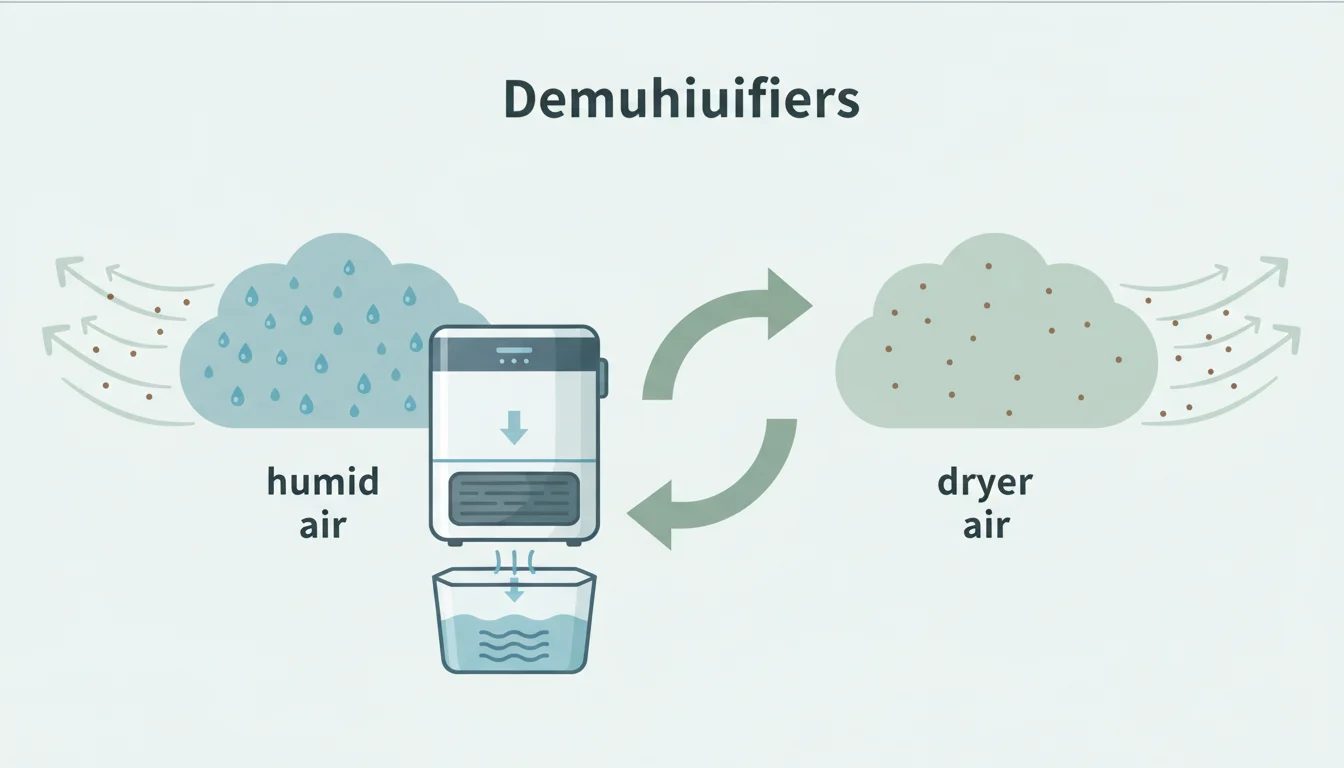
A dehumidifier helps with dust by creating conditions where dust mites cannot survive—not by filtering particles from the air. The device extracts moisture, and when indoor humidity drops below 50%, dust mites dehydrate and die within days.
Here's why this matters for your dust problem:
- Dust mites and their waste products make up a substantial portion of household dust by weight
- At 75-85% relative humidity, mites increase food consumption fivefold and produce more fecal matter
- Below the critical humidity threshold, mites feed sparingly and produce minimal waste
- Lower humidity means fewer live mites and less biological dust accumulating over time
A 1995 study using ultra-efficient dehumidifiers found that 75% of equipped homes had zero live mites after four weeks. The key insight: you're not removing dust—you're stopping it from being created in the first place. Thermastor
The Science: Why Dust Mites Need Humidity to Survive
Dust mites absorb moisture directly through their skin rather than drinking water. This biological quirk makes them extremely vulnerable to dry environments and gives you a clear target for control.
The numbers tell the story:
| Humidity Level | Effect on Dust Mites |
|---|---|
| Below 50% | Mites dehydrate and die within days |
| 50-60% | Survival possible, reproduction impaired |
| 60-70% | Population maintenance, slow growth |
| 70-80% | Optimal conditions, rapid reproduction |
Temperature plays a role too. Mites thrive between 75-80°F combined with high humidity. Laboratory studies reveal that mites need at least three hours of moist air daily to reproduce, so even brief dry periods disrupt their life cycle.
Research from the University of Kentucky Entomology Department confirms that dust mites cannot survive well at relative humidity below 50%. The American Lung Association recommends keeping homes below this threshold specifically for mite control. This three-hour reproduction window is particularly significant—it means consistent humidity control matters more than occasional spikes.
Optimal Humidity Levels for Dust Control
Target 40-50% relative humidity for the best balance between dust mite control and personal comfort. Going lower works against mites but creates problems for you.
Consider these room-by-room priorities:
- Bedrooms: Top priority. Your mattress and pillows harbor the highest mite concentrations
- Living rooms: Second priority, especially with upholstered furniture and carpets
- Basements: Often the humidity source affecting the whole house
- Bathrooms: Ventilation matters more than dehumidification here
Below 30% relative humidity causes dry skin, irritated airways, and cracked wooden furniture. A hygrometer costs under $15 and reveals what's actually happening in your home. Keep in mind that built-in dehumidifier sensors often read 5-10% off from actual levels.
Seasonal adjustments are necessary. Summer months in humid climates require continuous operation, while winter heating naturally drops humidity—sometimes too far. Monitor weekly and adjust your target accordingly.
Dehumidifier vs Air Purifier: Which Is Better for Dust?
These devices solve different problems. A dehumidifier prevents biological dust creation, while an air purifier removes existing particles. For comprehensive dust control, you need both.
| Factor | Dehumidifier | Air Purifier (HEPA) |
|---|---|---|
| Primary function | Removes moisture from air | Filters particles from air |
| Effect on dust mites | Kills mites by dehydration | Captures dead mites and waste |
| Effect on airborne dust | No direct impact | Removes 99.97% of particles |
| Best for | High humidity homes (above 50%) | Visible dust, allergies, air quality |
| Energy use | 300-700 watts | 30-100 watts |
| Maintenance | Empty tank, clean filter monthly | Replace HEPA filter every 6-12 months |
The decision process is straightforward. Check your humidity first. If readings consistently show above 50%, start with a dehumidifier. If humidity is already controlled but dust remains visible, an air purifier addresses the symptom directly.
Running both provides the most thorough approach. The dehumidifier stops new mite populations from establishing, while the air purifier captures allergens already present in carpets and bedding. [Keystone Allergy] recommends this combination for allergy sufferers.
How to Use a Dehumidifier Effectively for Dust Reduction
Placement determines success more than the unit you buy. Position the dehumidifier where humidity originates or where you sleep.
Follow these setup guidelines:
- Size correctly: 30-pint units handle rooms up to 1,500 sq ft with moderate humidity. Upgrade to 50-pint for basements or severe moisture issues
- Set target humidity: 45% provides a buffer above the comfort floor while remaining lethal to mites
- Run continuously: Cycling on and off allows humidity spikes that mites exploit
- Maintain airflow: Keep 12 inches of clearance around the unit for proper circulation
- Empty before full: A full tank stops operation, and humidity rebounds within hours
Maintenance determines long-term effectiveness. Clean the filter every two weeks during heavy use, inspect the collection bucket for mold monthly, and wipe down the intake grille when dust accumulates.
Consider placing a separate hygrometer across the room from the dehumidifier. The built-in sensor reads the dry air immediately around the unit, not actual room conditions. This simple check often reveals that units cycle off too early.
Limitations of Dehumidifiers for Dust Control
Dehumidifiers address one component of the dust problem. Understanding what they cannot do prevents disappointment.
Clear limitations include:
- No removal of existing dust particles sitting on surfaces or floating in air
- No effect on dust from outdoor sources like pollen, soil, or construction debris
- Potential for over-drying, causing respiratory irritation below 30% humidity
- Energy costs of $15-40 monthly depending on unit size and runtime
- No impact on pet dander, which requires physical removal
Regular vacuuming with a HEPA-filtered vacuum remains essential. Washing bedding weekly in water above 120°F kills any surviving mites, and allergen-proof encasements on mattresses and pillows provide an additional barrier.
The dehumidifier handles the biological factory producing new dust. Everything else requires mechanical removal. Think of it as turning off the faucet while still needing to mop up the existing water.
FAQ
How long does it take for a dehumidifier to reduce dust mites?
Dust mites begin dying within days when humidity drops below 50%. Noticeable allergen reduction takes 2-4 weeks as mite populations collapse and existing allergens get cleaned away through normal housekeeping.
Will a dehumidifier help with dust allergies?
Yes, by eliminating the source of major allergens. Dust mite feces and body fragments trigger most dust-related allergies. Reducing mite populations cuts allergen production at the source, though existing allergens still require physical removal.
What size dehumidifier do I need for dust mite control?
Match capacity to room size and current humidity. A 30-pint unit handles spaces up to 1,500 square feet with moderate humidity. Basements or areas above 70% humidity need 50-pint or larger models.
Can I run a dehumidifier and air purifier at the same time?
Absolutely. They complement each other perfectly. The dehumidifier prevents new mite growth while the air purifier captures existing allergens. Running both provides more comprehensive control than either device alone.
Do dehumidifiers help with dust in basements?
Basements benefit significantly since they often maintain the highest humidity in a home. Controlling basement moisture frequently improves conditions throughout the house by reducing the moisture source.
How often should I clean my dehumidifier for best dust control?
Clean the air filter every two weeks during active use. Inspect and wash the collection bucket monthly to prevent mold. Wipe intake and exhaust grilles when visible dust accumulates.
Is 30% humidity too low for dust mite control?
Below 30% effectively kills mites but causes human discomfort. Dry air irritates respiratory passages and damages wood furniture. The 40-50% range provides mite control while maintaining comfort and protecting your home.
Share this post
Related Articles
Would a Dehumidifier Help With Asthma? What Science Says in 2026
Would a Dehumidifier Help With Asthma? What Science Says in 2026
Best Dehumidifier for RV: Complete Buyer's Guide for 2026
Best Dehumidifier for RV: Complete Buyer's Guide for 2026
Will a Dehumidifier Get Rid of Silverfish? Complete Guide to Humidity-Based Pest Control
Will a Dehumidifier Get Rid of Silverfish? Complete Guide to Humidity-Based Pest Control