Will a Dehumidifier Dry Carpet? Complete Guide to Saving Your Wet Floors (2026)
Will a Dehumidifier Dry Carpet? Complete Guide to Saving Your Wet Floors (2026)
A dehumidifier removes moisture from the air, creating conditions that accelerate carpet drying through enhanced evaporation. Combined with fans and proper water extraction, this method dries most wet carpets within 12 hours to 5 days, depending on saturation level. This guide covers optimal techniques, timelines, and when professional help becomes necessary.
How Dehumidifiers Work to Dry Wet Carpet
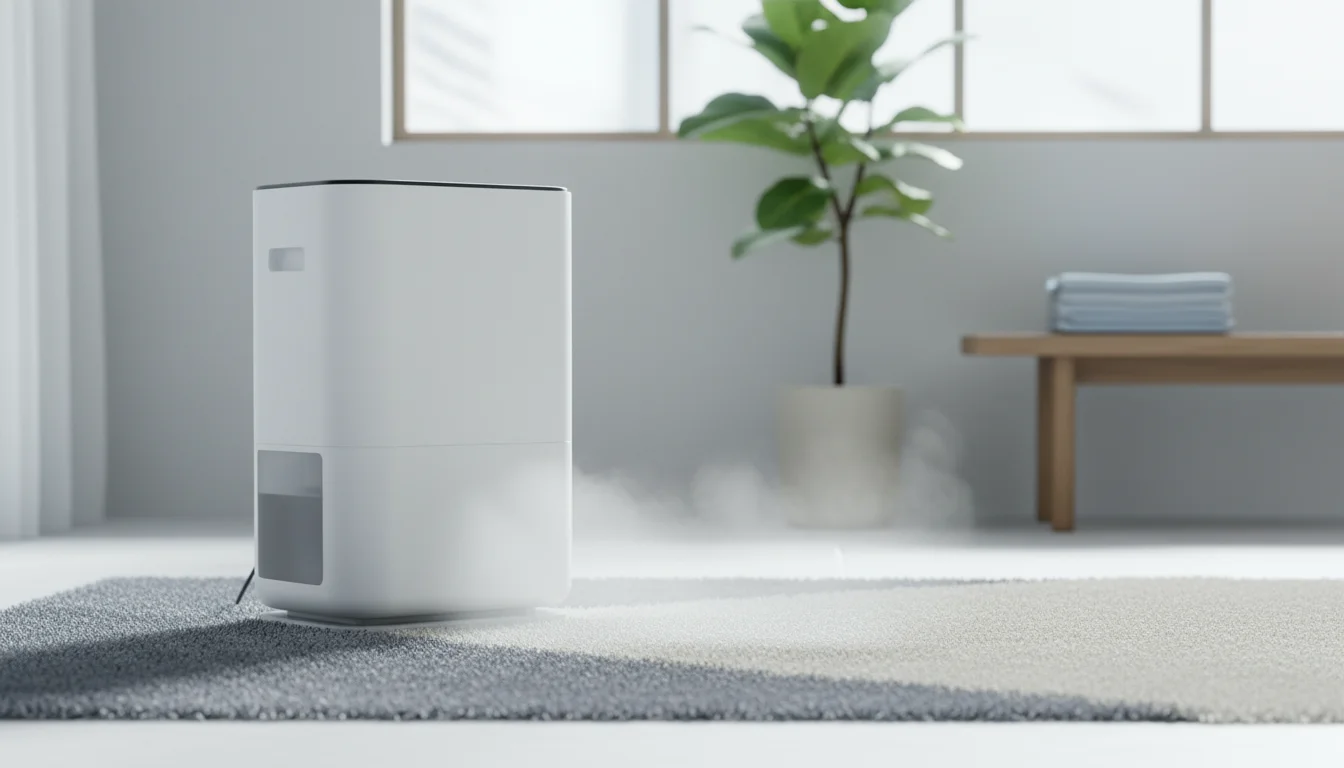
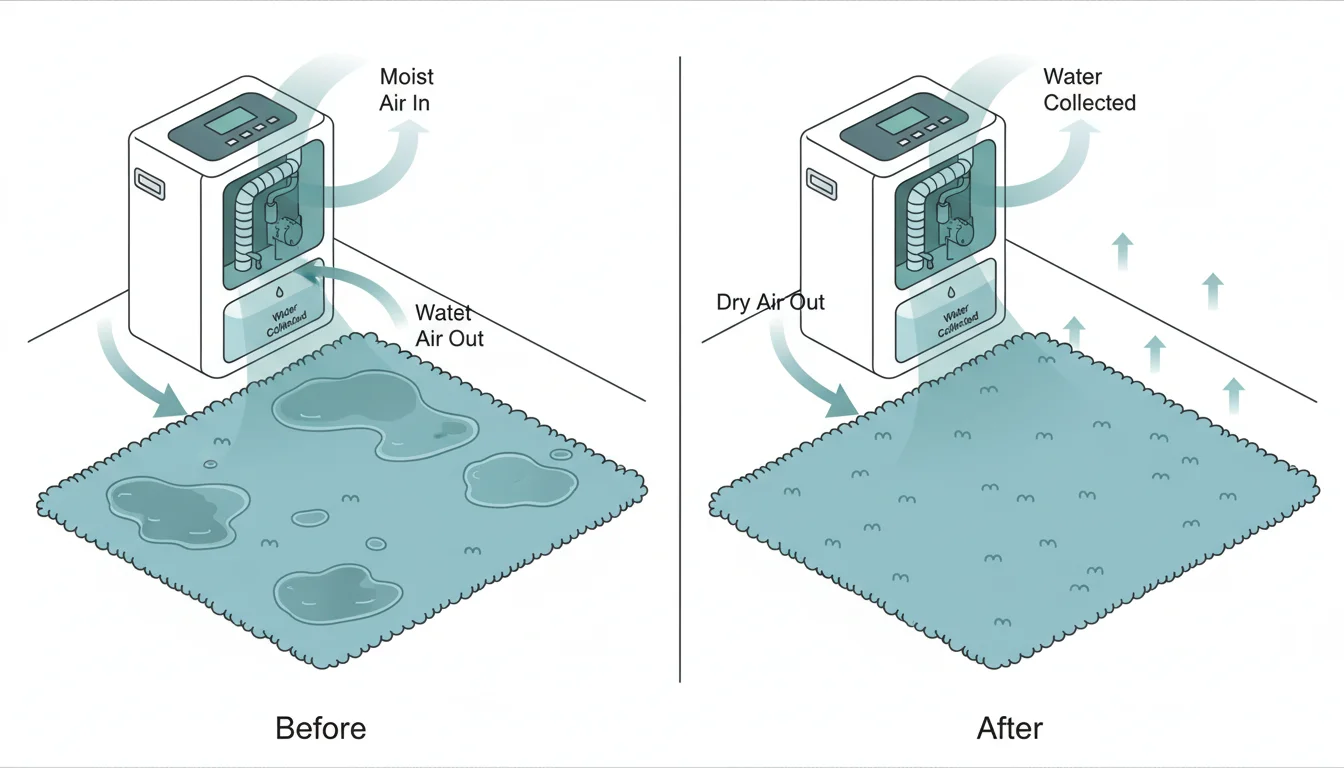
Will a dehumidifier dry carpet effectively? Yes, but understanding the mechanism matters. The unit pulls moisture-laden air through cooling coils, condensing water vapor into liquid that collects in a tank while expelling dried air back into the room.
This process creates a critical humidity gradient. When ambient humidity drops, water trapped in carpet fibers evaporates faster because the surrounding air has capacity to absorb it. Think of it like wringing out a sponge into an empty bucket versus a full one.
| Factor | Impact on Drying Speed |
|---|---|
| Dehumidifier Capacity | 50-70 pint units remove moisture 2-3x faster than 30-pint models |
| Room Humidity Level | 30-40% target accelerates evaporation significantly |
| Air Circulation | Combined with fans, cuts drying time by 50% or more |
| Carpet Saturation | Surface moisture responds faster than deep padding saturation |
Dehumidifiers work best on surface moisture and moderately wet carpet. For heavily saturated situations, water extraction with a wet-dry vacuum must come first. The dehumidifier handles what evaporates into the air, not standing water pooled in fibers. AbeStorm notes this combination approach creates a "complete drying system" that addresses both surface and airborne moisture.
How Long Does It Take to Dry Carpet With a Dehumidifier?
Expect 12-24 hours for light moisture and 2-5 days for significant water damage. The timeline depends on multiple variables working together or against your efforts.
| Saturation Level | Dehumidifier Only | Dehumidifier + Fans | Professional Equipment |
|---|---|---|---|
| Light (spills, small leaks) | 12-24 hours | 6-12 hours | 4-6 hours |
| Moderate (appliance overflow) | 2-3 days | 1-2 days | 12-24 hours |
| Heavy (flooding, burst pipes) | 4-5+ days | 2-3 days | 1-2 days |
Temperature plays a larger role than most people realize. The sweet spot sits between 70-90°F because warmer air holds more moisture, accelerating evaporation. Running heat alongside your dehumidifier beats air conditioning in most scenarios, though AC helps in extremely humid climates.
Testing for dryness requires more than the touch test. A moisture meter provides accurate readings, and carpet should measure below 16% moisture content before you stop the drying process. Fair warning: carpet padding stays wet longer than surface fibers. I've seen people stop too early because the top felt dry while mold grew underneath. Ionmax recommends continuing operation for 24-48 hours after the carpet appears dry.
Best Practices: Dehumidifier Placement and Settings for Carpet Drying
Position the unit in the center of the affected area, elevated slightly on a table or stand if possible. This prevents the intake from drawing pooled water while maximizing air circulation across the entire wet zone.
Essential setup steps:
- Close all doors and windows to maintain a controlled environment
- Set target humidity to 30-40% for aggressive moisture removal
- Empty the collection tank every 8-12 hours, or connect continuous drainage
- Move furniture completely off wet carpet
- Lift carpet edges and prop them up to expose padding and subfloor
- Run continuously until fully dry, typically 24-48 hours minimum
For rooms larger than 500 square feet, deploy multiple units. One dehumidifier per 500-1000 square feet ensures even moisture extraction. Commercial-grade machines with 50+ pint daily capacity outperform residential units significantly.
The sealed room requirement surprises many homeowners. Opening windows feels intuitive but sabotages the process. Humid outside air constantly replaces what the dehumidifier removes, extending drying time dramatically. Trust the process: closed environment, target humidity, patience. [The Rug Decor] emphasizes that this controlled approach "significantly accelerates drying time."
Combining Dehumidifier With Fans for Faster Results
This combination cuts drying time roughly in half compared to either method alone. The science is straightforward: fans move moisture from carpet into the air, while dehumidifiers remove it from the air. Each handles what the other cannot.
Optimal fan placement strategy:
- Position box fans to blow directly across the carpet surface, not down at it
- Angle airflow to create movement across the entire wet area
- Use ceiling fans on high to improve overall circulation
- Place air movers under lifted carpet sections when possible
- Stagger multiple fans to prevent dead zones
| Method | Average Drying Time | Equipment Cost | Effectiveness |
|---|---|---|---|
| Dehumidifier alone | 3-5 days | $30-50 rental | Moderate |
| Fans alone | 4-7 days | $20-30 | Low to moderate |
| Combined approach | 1-2 days | $50-80 | High |
| Professional restoration | 12-24 hours | $500-2000+ | Highest |
The combined method saved my basement carpet after a water heater leak. The dehumidifier alone wasn't moving the needle after 36 hours. Adding two box fans and lifting the carpet edges changed everything—dry in another 18 hours. [AM-NW] confirms this approach works best when fans create "continuous airflow across the carpet surface while the dehumidifier maintains low humidity."
When a Dehumidifier Won't Be Enough: Signs You Need Professional Help
Standing water, contaminated sources, or visible mold growth exceed DIY capabilities. Knowing these limits prevents health hazards and costlier damage down the road.
Call professionals immediately when:
- Water stands more than 1/4 inch deep anywhere on carpet
- Flooding involves sewage, groundwater, or outdoor flood water
- A musty smell persists after 24 hours of drying
- Visible mold spots appear (any color: white, green, black)
- Family members experience sudden allergic reactions
- Carpet padding feels saturated after 48 hours of drying
Contaminated water poses serious health risks. Category 2 (gray water from appliances) and Category 3 (black water from sewage or flooding) require professional extraction and antimicrobial treatment. No dehumidifier eliminates bacteria or pathogens.
Carpet padding presents the trickiest challenge. This spongy layer absorbs water and releases it slowly. Professional restorers often remove and replace padding while saving the carpet above it. The cost comparison matters here: a $30-50 dehumidifier rental versus $500-2000+ professional service seems steep until you factor in mold remediation costs of $3,000-10,000+ after failed DIY attempts.
Common Mistakes When Drying Carpet With a Dehumidifier
The biggest error is waiting too long to start. Mold begins colonizing within 24-48 hours of moisture exposure, and every hour of delay increases permanent damage risk.
Mistakes that extend drying time or cause damage:
- Using undersized dehumidifiers for the affected square footage
- Opening windows to "let fresh air in" (destroys controlled humidity)
- Ignoring carpet padding underneath surface fibers
- Stopping the drying process when carpet feels dry to touch
- Placing the dehumidifier directly on wet carpet (electrical hazard)
- Failing to extract standing water before running the dehumidifier
The padding mistake costs homeowners repeatedly. Surface carpet dries while moisture wicks up from saturated padding below, creating a mold incubator between layers. Lifting carpet edges and directing airflow underneath prevents this scenario.
Let's be honest about the window myth. It feels right, and fresh air seems helpful. But indoor humidity control requires a sealed environment. Opening windows on a 70% humidity day means your dehumidifier fights an unwinnable battle. Keep everything closed until readings drop below 40%.
Post-Drying Carpet Care and Mold Prevention
Verification requires a moisture meter reading below 16% at multiple points, including near walls and under lifted sections. The touch test fails because padding retains moisture longer than surface fibers.
After drying is complete:
- Apply antimicrobial spray designed for carpet and padding
- Wait 24 hours, then deep clean or steam clean thoroughly
- Monitor room humidity weekly for the following month
- Watch for musty odors that indicate hidden moisture pockets
- Consider professional carpet cleaning for valuable or heavily affected rugs
Ongoing prevention keeps problems from recurring. Maintain home humidity below 60% year-round. Address spills within minutes, not hours. Install moisture alarms in basement areas or rooms with water heater or washing machine access.
The antimicrobial step gets skipped too often. Even fully dried carpet harbored microbes during its wet period. [Climate Dry] recommends treatment as "essential insurance against dormant mold spores activating later." A $15 spray beats a $3,000 remediation bill.
FAQ
Does carpet padding need to dry separately from carpet?
Yes. Padding absorbs more water and releases it slower than carpet fibers. Lift carpet edges to expose padding directly to airflow and dehumidification. Replace padding if it remains wet after 48 hours of aggressive drying.
What size dehumidifier works best for wet carpet?
A 50-70 pint capacity unit handles most residential situations effectively. For areas over 1,000 square feet or heavily saturated carpet, use multiple units or rent a commercial-grade dehumidifier with 100+ pint daily capacity.
Should I turn on the heat while drying carpet with a dehumidifier?
Yes. Temperatures between 70-90°F accelerate evaporation significantly. Warm air holds more moisture, helping the dehumidifier work more efficiently. Avoid exceeding 90°F, as this can damage some carpet materials.
How do I know if mold has started growing under wet carpet?
Watch for musty odors persisting after 24 hours, visible discoloration or spots on carpet backing, and family members experiencing sudden allergic symptoms. Any of these signs warrants professional inspection.
Is it safe to walk on carpet while it's drying?
Limited foot traffic is acceptable on surface-damp carpet. Avoid walking on saturated carpet, as this pushes water deeper into padding and subfloor. Wait until the drying process completes before resuming normal use.
What humidity level should I target when drying carpet?
Set your dehumidifier to maintain 30-40% relative humidity. This aggressive setting maximizes moisture extraction from carpet fibers. Continue running until readings stabilize and the carpet moisture meter shows below 16%.
Does insurance cover professional carpet drying after water damage?
Most homeowner policies cover sudden water damage from burst pipes or appliance failures. Gradual leaks and flood damage typically require separate coverage. Document damage with photos and contact your insurer within 24 hours.
Share this post
Related Articles
Would a Dehumidifier Help With Asthma? What Science Says in 2026
Would a Dehumidifier Help With Asthma? What Science Says in 2026
Best Dehumidifier for RV: Complete Buyer's Guide for 2026
Best Dehumidifier for RV: Complete Buyer's Guide for 2026
Will a Dehumidifier Get Rid of Silverfish? Complete Guide to Humidity-Based Pest Control
Will a Dehumidifier Get Rid of Silverfish? Complete Guide to Humidity-Based Pest Control